


Last Fortress: Underground
3.819.46K Reviews
App Specs
- Version
- 26.0802.001
- Updated On
- License
- Free
- Downloads
- 10,000,000+
- Developer
- LIFE GAME PTE. LTD.
- Categories
- Strategy
- Platform
- Android
Screenshots




 Analysis by AppCompare
The first thing that stood out to me in Last Fortress: Underground is how quickly its survival premise turns into a practical question: what should I build next, and what needs attention before I leave? You are not simply watching a ruined world unfold. You are shaping a bunker into somewhere people can keep going, then balancing that steady work against threats beyond its walls. That hands-on routine is the game’s strongest hook, especially if you like strategy with a base-building focus.
A first action that sets the routine
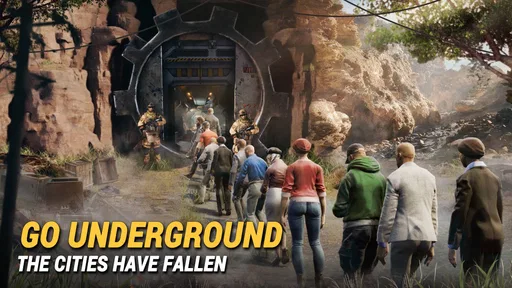
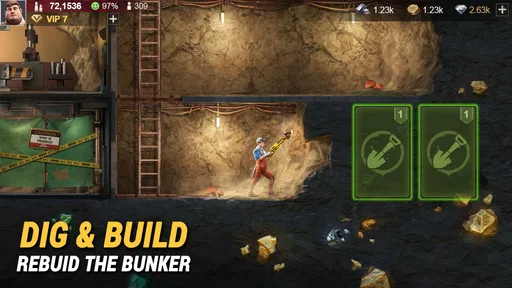
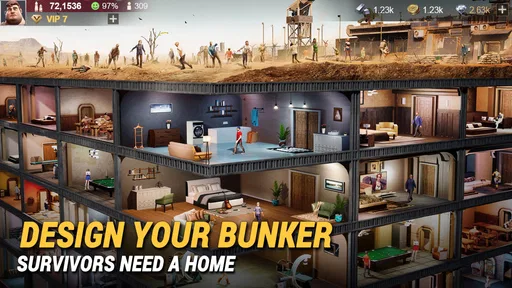
The game’s opening puts you in charge of an underground refuge and asks you to develop it. That makes the first decisions feel concrete: expanding the shelter, looking after resources, and giving survivors useful work all feed into the same goal. I like that the setting gives these tasks a reason. Building is not decoration on the side; it is how you make a precarious hideout more capable.
That structure also explains who is likely to enjoy the game. If you like checking a growing base, making a few management choices, and returning to see what you can improve, the bunker gives you a clear anchor. If you want a strategy game built around constant direct control or rapid tactical matches, this is less likely to be your ideal fit. Its appeal comes from planning and gradual development as much as from action.
Feedback, pressure, and the next decision
What keeps the routine moving is the way fortress work sits alongside combat and challenges. You prepare your team and develop the shelter, then face dangers that make those choices matter. The game includes zombie threats and rival factions, giving the survival theme more than one kind of pressure. I find that combination more engaging than a base builder where the main reward is simply seeing another room appear.
The useful habit is to treat each visit as a short inspection rather than trying to do everything at once. I would check what is holding back the next improvement, make the most relevant adjustment, and then decide whether I have time to take on a challenge. That order helps keep the management side from turning into aimless tapping. It also makes a brief session feel purposeful, even when there is no time for a longer stretch of play.
Progress feels good, but it asks for patience
There is a satisfying payoff in watching a modest underground base become a more active refuge. Assigning survivors and choosing how to grow the facility give progress a personal touch, while combat offers a change of pace from managing the bunker. The game’s strategy comes from juggling those priorities, not from treating every encounter as an isolated fight.
That said, the loop is not equally rewarding for everyone. Players who want quick, self-contained rounds may find the ongoing upkeep less appealing, and those who dislike resource management may see routine decisions as chores. I would also approach optional spending carefully: the game is free to start, but it offers in-app purchases, so I would decide on a personal budget before playing if that is a concern. The basic appeal is the ongoing survival-and-building loop, not a need to buy something just to understand the premise.
Worth Reading Before You Choose

EA SPORTS FC Mobile 26 Is a Bigger Football Game, but It Takes Time

Flipboard Shows What News Apps Must Do Beyond the Feed

Switching to Android Auto Means Rethinking Your Driving Routine

Google Calendar Makes a Crowded Week Easier to Manage

Ludo King Makes the Most of the Minutes Between Plans

Baby Panda World Brings Quick Play to Modern Phones, but Its Game Library Feels Busy
Where the social side fits
Playing with other people can make the wider survival effort feel less solitary. Alliances and shared challenges give the game a social dimension, which suits players who enjoy coordinating plans instead of treating a strategy game as a purely solo project. I would consider that part most valuable if you already have friends who like this kind of long-running base management; joining a group just because it exists is not automatically a reason to stay.
For a practical everyday rhythm, I can imagine checking the bunker during a break, handling the most pressing development choice, and saving a more involved challenge for later. That is a better match for the game than expecting every session to deliver a complete beginning, middle, and end. Before settling into it, ask yourself whether you enjoy returning to a project in small steps. If you do, the bunker’s gradual progress can be a satisfying reason to come back; if you need each play session to feel complete on its own, a round-based strategy game may suit you better.
Immersive Post-Apocalyptic Setting
Imagine this: the world is in ruins, and humanity is on the brink. Sounds intense, right? Last Fortress: Underground throws you right into a post-apocalyptic setting that's both eerie and captivating. The visuals are stunning, with detailed graphics that bring the desolate environment to life. Trust me, you’ll feel like you’re right there, fighting for survival.
The game kicks off with you stumbling upon an underground bunker. And from there, it’s all about building, expanding, and defending this newfound haven. The storyline is engaging, pulling you deeper into this gritty world. You’ll meet a variety of characters, each with their own backstory and skills, adding layers to the narrative. Who knew surviving the apocalypse could be so compelling?
Building and Strategy Elements
Now, let’s talk strategy. This isn’t just some shoot-‘em-up game. Oh no, it challenges you to think. You’ve got to build your fortress, manage resources, and train your survivors. It’s like playing a game of chess, but with zombies lurking in the shadows. The strategic depth is impressive, and it keeps you hooked as you plan and execute your next moves.
Every decision matters. From expanding your underground base to assigning tasks to your team, you’re constantly strategizing. And the best part? Watching your fortress grow into a bustling hub of activity. There’s a real sense of accomplishment as you progress. It’s addictive, and you’ll find yourself saying, “Just one more upgrade!” late into the night.
Combat and Challenges
Of course, what’s a good apocalypse without some action? The game delivers with its combat system. You’ll face waves of zombies and rival factions, each battle more intense than the last. The controls are intuitive, making it easy to jump right into the fray. And as you level up, you unlock new weapons and abilities, keeping the combat fresh and exciting.
Each challenge is unique, pushing you to adapt and strategize. Whether it’s defending your base against a horde or raiding another faction’s territory, the adrenaline rush is real. The game does a fantastic job of balancing combat with the building and resource management elements, creating a well-rounded experience.
Community and Multiplayer Features
Alright, social butterflies, this one’s for you. Last Fortress: Underground has a thriving community. You can team up with other players, form alliances, and tackle challenges together. It adds a whole new layer to the game, as you strategize and communicate with your team. Plus, there’s nothing like the camaraderie of surviving the apocalypse with friends.
The multiplayer features are seamless, allowing you to easily connect with others. Whether you’re looking to trade resources or join forces in epic battles, the community aspect enhances the overall experience. It’s always more fun to tackle the end of the world with a buddy, right?
Final Thoughts
So, what’s the verdict? Last Fortress: Underground is a thrilling blend of strategy, combat, and community. It’s got a gripping storyline, challenging gameplay, and a vibrant community to boot. Whether you’re a seasoned strategist or just looking for a new adventure, this game has something for everyone.
Grab your phone, download the game, and dive into the apocalypse. Just be warned: once you start, it might be hard to put it down. But hey, who doesn’t want to be a hero in an underground fortress?
How it compares with other strategy games
Among mobile strategy games, this one sits closer to a persistent settlement builder than to a match-based tactics game. The main distinction is that your attention is split between maintaining a home underground and dealing with danger outside it. I find that more involving than a sequence of disconnected battles, but less immediately tidy: a match-based alternative can be easier to pick up, finish, and put away without feeling that a larger project is waiting.
It is also a different choice from a city builder focused mainly on layout or decoration. Here, development is tied to survival, people, and preparation for conflict. That context gives upgrades a useful sense of purpose, though it can make progress feel slower than games that reward each short visit with a clean win screen. If you enjoy watching systems and a community develop over time, that trade-off can work in the game’s favor. If your priority is a compact tactical puzzle, I would look elsewhere.
Small decisions that make play smoother
One non-obvious way to approach the bunker is to choose a single priority for each visit. Rather than switching between every available task, decide whether today’s attention is for improving the refuge, organizing survivors, or preparing for a fight. That simple limit makes the management feel more intentional and helps you notice which decisions actually support your next goal.
I would also avoid treating every battle as an automatic next step. The useful question is whether the challenge fits the state of your team and your current plan. If it does, combat breaks up the quieter base work; if it does not, a little more preparation may make the attempt feel less frustrating. The broader lesson is that the game rewards connecting its two sides: the shelter is not separate from danger, and preparation is part of the strategy rather than dead time.
For anyone considering the social side, I would make the choice based on the kind of play you want. Alliances are most appealing when coordination itself sounds fun, not simply because multiplayer is available. A solo-minded player can still enjoy developing a bunker, while someone who likes shared goals may get more out of making the wider effort social. Neither approach changes the basic appeal of the management loop, but it does change what makes a return session worthwhile.
Who should make room for it
This is a good fit for players who enjoy a continuing project, like making resource and assignment choices, and want combat to sit alongside base development rather than replace it. It can also suit someone who likes a post-apocalyptic setting but prefers planning and upkeep to a game built entirely around reflexes. LIFE GAME PTE. LTD. develops this free strategy game, which has a Teen content rating and is available on Android 6.0 and later.
There are reasons to skip it, too. If you dislike long-term progression, want every session to end with a clear conclusion, or find repeated management decisions tiring, the central loop may become more obligation than entertainment. Players who prefer direct action with minimal preparation would probably be happier with a more combat-focused alternative. Its 3.8 average from around 430,000 ratings and more than 10 million installs suggest a substantial audience, but popularity does not make its particular pace right for everyone.
Before you settle into the bunker
The game was released on November 4, 2020, and its current version is 26.0201.001. Those details make it a long-running mobile strategy title rather than a brand-new release, so I would approach it as an established ongoing game, not a short campaign that promises a quick finish. Its free entry point makes it easy to try the basic idea, while in-app purchases range from $0.99 to $99.99 per item. I would treat spending as optional and set a limit beforehand, especially if I know that upgrade systems can tempt me to pay for convenience.
A common practical question is whether it works for short visits or demands a long uninterrupted session. Its mix of bunker management and challenges makes brief check-ins plausible, while deeper planning and social coordination are better suited to a longer stretch. Another is whether combat is the whole game: it is not. The shelter, resource decisions, and survivor assignments are central to the experience, so someone drawn only to fighting may find the quieter work occupies too much of the journey.
My final advice is to judge the first sessions by whether the decisions feel satisfying, not by how quickly the base grows. If you enjoy picking a next priority and returning to see a more capable refuge, the loop has a clear reason to begin again: there is always another piece of the survival effort to consider. If that sense of ongoing responsibility sounds draining, choose a strategy game with shorter, self-contained rounds instead. For me, the strongest part is precisely that link between action, preparation, and visible progress; the main caveat is that it asks you to like the routine as much as the rewards.
Pros
- Engaging storyline with immersive elements.
- Diverse character customization options.
- Strategic gameplay keeps you challenged.
- Regular updates with new content.
- Smooth graphics and user-friendly interface.
Cons
- In-app purchases can be quite expensive.
- Some features require constant internet.
- Occasional lag during peak hours.
- Limited offline gameplay options.
- Resource management can be tedious.
FAQs for Last Fortress: Underground
What is the main objective of Last Fortress: Underground?
Last Fortress: Underground is a survival strategy game where players must build and manage an underground fortress to withstand a post-apocalyptic world filled with zombies. The primary objective is to expand and fortify your base, recruit survivors, manage resources, and defend against zombie invasions while exploring the world above.
How do I recruit and manage survivors in the game?
Survivors are crucial for your fortress's development. You can recruit them by exploring the world, completing missions, or through in-game events. Each survivor has unique skills that contribute to the base's efficiency, such as crafting, construction, or combat. Managing them effectively involves assigning tasks that align with their strengths to optimize productivity.
What resources are essential for survival, and how can I gather them?
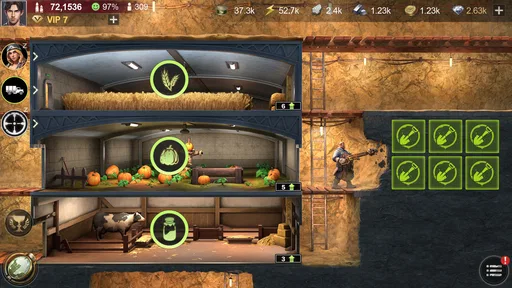
Key resources include food, water, and building materials. These can be gathered by scavenging the world, trading with other players, or producing them within your fortress. Establishing farms, water purification systems, and workshops is vital for maintaining a steady supply and ensuring your community's survival and growth.
Are there multiplayer features in Last Fortress: Underground?
Yes, the game offers multiplayer interactions, allowing players to form alliances with others. Joining an alliance can provide benefits like shared resources, strategic support, and cooperative missions. Engaging with other players enhances the gameplay experience, offering opportunities for trading and collaborative defense against threats.
What are some strategies for defending the fortress against zombie attacks?
Defending your fortress involves fortifying your base with strong walls and defense systems, such as turrets and traps. Placing skilled survivors in strategic positions can also bolster your defenses. Regular upgrades and repairs are necessary to withstand increasingly challenging zombie waves, ensuring your fortress remains impenetrable.


